The fuel tank is half empty (and we mean that literally).
Since hostilities flared up at the end of February, European jet fuel stocks have dropped by roughly fifty percent. Tanks in Amsterdam, Rotterdam and Antwerp are running uncomfortably low. With Iranian, Iraqi, Israeli and Syrian airspace closed, and the Strait of Hormuz acting up, the usual supply lines into Europe are simply not flowing the way they used to.
Prices tell the story. Jet fuel is up to one hundred and sixty percent more expensive than a year ago in some regions. Carriers are pushing through weekly surcharge adjustments. Japan Airlines pushed long haul cargo surcharges to JPY 192 per kilogram in May. Middle Eastern carriers are adding war risk premiums on top of that. Transport budgets that looked solid six months ago are taking a beating.
And the Gulf hubs that traditionally connect Europe with Asia and Africa? Emirates is running at roughly sixty percent of pre conflict capacity. Etihad is operating at around fifteen percent. Crews are routing via technical fuel stops in places like Jeddah, adding hours to transit times and creating new handling risks for cargo that does not appreciate sitting on a tarmac.
How to reduce the effect for your business? Please contact team Trasegro.
Brussels means well, but the details matter.
The European Commission’s May guidance tries to keep things moving. Airlines can now claim exemptions from the ninety percent fuel uplift requirement under ReFuelEU Aviation when destination airports face shortages. Slot usage rules have been relaxed, so carriers can cancel fuel constrained flights without losing their airport positions.
Helpful, in theory. In practice, the same guidance says high fuel prices alone do not count as “extraordinary circumstances” for passenger compensation. Translation: airlines may quietly drop marginally profitable routes that happen to carry a lot of belly cargo. Meanwhile, SAF blending mandates are climbing, starting at two percent in 2025, and EU ETS allowances keep adding per flight costs.
For freight forwarders, this is where the work really begins. A GDP compliant pharmaceutical shipment suddenly has fewer direct routing options. An ADR chemical shipment may face extra screening under new Established Business Relationship requirements when rerouted through an alternative airport. Every detour costs time, and every transfer point is a new chance for something to go wrong.
When timing is everything, this is where it hurts most.
The combined pressure of fuel scarcity, closed airspace and shifting regulations hits hardest where the clock is ticking loudest.
Pharma cold chains are vulnerable in the most obvious way. Every additional transfer point or extended tarmac wait is another temperature excursion risk. GDP demands continuous monitoring and documented control, but crisis driven rerouting pushes cargo through airports that may not have the cold storage infrastructure or CEIV Pharma certification you need.
High tech and semiconductor flows depend on predictable overnight connections between Asia and Europe. When the direct service disappears and the alternative adds two days and three handoffs, the margin for customs delays vanishes. A missed delivery window can shut down a production line, and that cost makes any freight premium look like pocket change.
ADR classified dangerous goods are perhaps in the toughest spot. Already locked into strict IATA DGR and ADR requirements, they now face fewer available aircraft and routes. Many of them need dedicated freighter capacity, which is exactly what is being redeployed around closed airspace. Book early, accept longer routings, or risk being shut out.
One size still does not fit all.
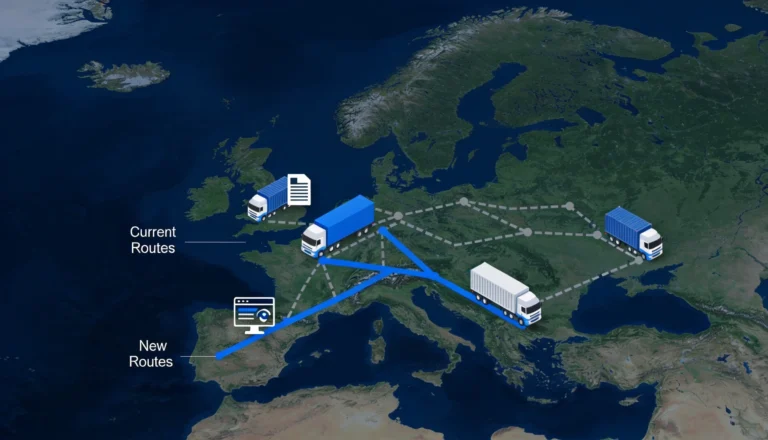
In a market like this, the old transactional approach to air freight buying just does not cut it. The shippers who come through this in good shape are the ones who plan capacity strategically. They diversify carriers. They work with multiple forwarders who actually know each other’s strengths. They invest in visibility across road, rail, ocean and air so they can spot a deviation early and act on it before a small delay becomes a big problem.
Multimodal solutions are quietly making a comeback. Sea air combinations through Southeast Asian hubs offer a sensible balance of speed and cost, although they add complexity for regulated cargo. Rail across Central Asia is a real option for shipments that can trade a bit of speed for a lot more predictability.
A small example from our own desk: when passive packaging is reaching its limit because of extended transit times, switching to an active cooling container can be the difference between a delivered shipment and a written off one. That kind of call is what experienced freight forwarders are for.
What’s next: more of the same, for a while.
Honestly, no one expects this to resolve quickly. Even if Middle East tensions ease tomorrow, rebuilding fuel supply chains and restoring normal airline operations takes months. European refineries are already running flat out and still cannot fully cover the gap. Expect fuel pressure to continue well into summer 2026 and beyond.
Regulatory load is only going up too. SAF mandates rise. Security screening tightens. Tel Aviv has just been removed from the EU’s equivalent security list, which creates yet another layer of compliance to manage. The new baseline for air freight is more complex, more expensive and more closely managed than it used to be. That is not changing.
For logistics planners and supply chain directors across the Benelux, the message is simple. Air freight in 2026 needs active management, not passive procurement. Visibility tools, multiple routing options, and partners who pick up the phone when something goes sideways. That is what builds resilience. Sitting back and hoping for stability is not really a strategy anymore.
How to reduce the effect for your business? Please contact team Trasegro.
Trasegro: logistics solutions for complex requirements
With a strong focus on personal service and professionalism, Trasegro supports clients in navigating complex logistics challenges with flexible, reliable solutions.