The real problem is not the extra days, it is the uncertainty
Longer transit times are manageable when they are predictable. You plan around them, you adjust your inventory, you communicate with your customers. But that is exactly what makes today’s situation so difficult.
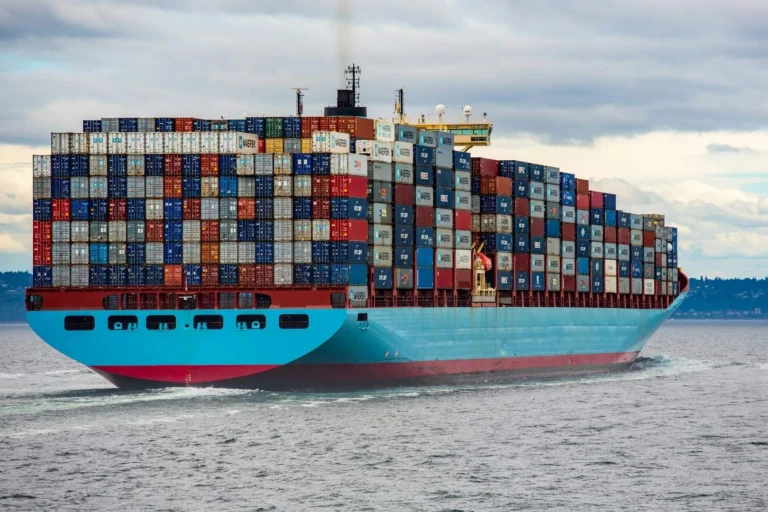
Carriers switch between Suez and the Cape depending on the day’s risk assessment. The same service can deliver in five weeks one month and eight weeks the next. You end up carrying expensive safety stock you would rather not carry, and giving customers delivery windows you cannot fully guarantee.
For pharmaceutical shippers, this hits especially hard. Temperature-controlled packaging is validated for specific transit times. Add three extra weeks, and that validation no longer holds. Chemical shippers face questions about product stability and dangerous goods segregation. Food producers watch shelf life shrink with every day at sea. And high-tech companies, with their short product cycles and just-in-time systems, simply cannot afford the swings.
Sea-air: the middle ground that makes sense
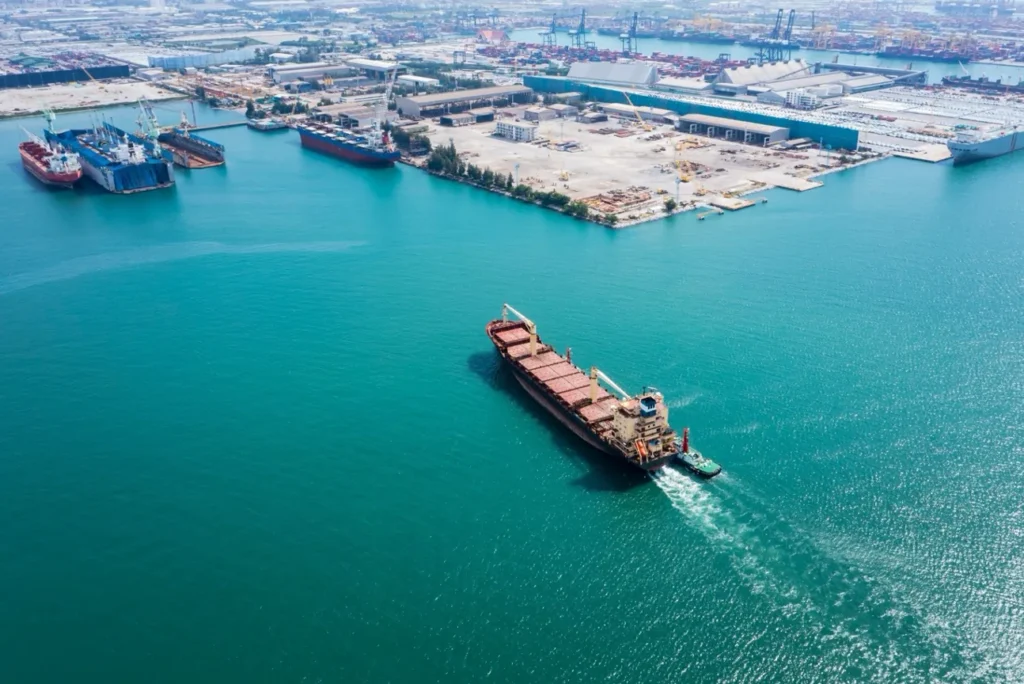
Sea-air is not new, but it has become a lot more relevant. The idea is straightforward: cargo travels by ocean to a strategically located hub, typically in the Gulf region or Southeast Asia, and continues by air for the final leg into Europe.
You keep most of the cost advantage of ocean freight, while air freight restores the speed and predictability you lost when Suez became unreliable.
A practical example. A pharmaceutical shipment from East Asia to the Benelux normally takes about five weeks door to door via Suez. Routed around the Cape, it can stretch to eight weeks or more. A sea-air solution through a Gulf hub brings it back to three or four weeks. That is the difference between staying inside your validated temperature window and having a serious compliance conversation.
It sounds simple. In practice, it demands tight coordination. Every transfer between modes is a potential failure point: documentation, customs, schedule alignment. For regulated cargo, every delay has consequences.
Different modes, different rulebooks
One thing that often surprises shippers new to multimodal solutions: each mode has its own regulatory framework.
Road follows ADR. Sea follows IMDG. Air follows IATA Dangerous Goods Regulations. chemical product that moves comfortably by road and sea can suddenly face restrictions, or outright prohibition, in the air. We have seen plenty of plans look great on paper and then run into a wall at the airport.
For pharmaceutical shipments, Good Distribution Practice adds another layer. Validated conditions, qualified equipment, complete documentation throughout the journey. Picking a sea-air hub without proper cold chain infrastructure is not really an option, no matter how attractive the transit time looks.
And then there is sustainability. European emissions trading, CO2-related road tolls, and corporate climate commitments are increasingly part of the routing conversation. Air freight emits more per shipment than ocean, that has not changed. But Cape routing is so long that the gap narrows. Sometimes a sea-air combination is actually the more responsible choice when you do the full calculation.
Why a control tower matters more than a tracking dashboard
Tracking software shows you where your shipment is. A control tower tells you what to do when something goes wrong.
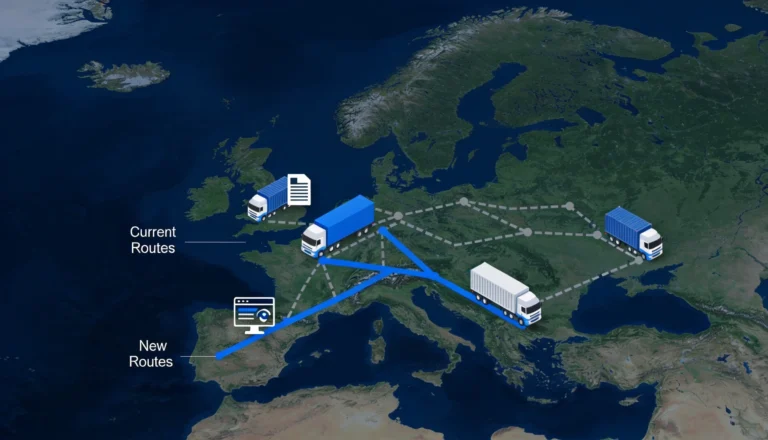
That is the real difference. When a vessel runs late and a sea-air shipment risks missing its flight connection, someone needs to act, fast. Rebook the flight. Adjust the road leg. Switch to an alternative routing. For pharmaceuticals, assess whether the packaging validation still allows for the extra dwell time, or whether a more significant change is needed.
This kind of work cannot be automated away. It comes from people who know your shipment, know the carriers, know the rules, and have the authority to make decisions when the plan changes. Predictability does not come from a carrier’s schedule. It comes from active coordination.
The last mile is where good plans go to die
Even the best sea-air solution falls apart if the road leg breaks down. European ports and airports are congested. Drivers are scarce. Working time regulations are strict. And finding qualified vehicles and certified drivers on short notice, especially for ADR or temperature-controlled pharmaceuticals, is not always easy.
Waiting times at terminals add real risk. A temperature-controlled shipment sitting at an airport for hours can quietly slip out of spec. Dangerous goods require specific loading procedures and documentation checks that take time.
This is where strong partnerships with specialised road carriers pay off. Carriers with the right vehicles, the right certifications, and the flexibility to adjust when something upstream slips. Without that final link, the rest of the chain is exposed.
How to reduce the effect for your business? Please contact team Trasegro.
Resilience is the new performance metric
The companies adapting best to all of this are not the ones chasing the cheapest rate. They are the ones building a portfolio of validated routing options that they can activate when conditions change.
That requires a different kind of relationship between shipper and forwarder. Your forwarder needs real visibility into your products, your demand patterns, and your compliance requirements. You need to share forecasts and priorities so capacity can be secured in advance, not scrambled for during a crisis.
It also means rethinking what you measure. On-time delivery is still important, but it is no longer enough. Compliance performance. Quality of exception management. Accuracy of ETAs. For sensitive cargo, temperature deviations, documentation accuracy, and audit results matter just as much as cost and speed.
Trasegro: logistics solutions for complex requirements
With a strong focus on personal service and professionalism, Trasegro supports clients in navigating complex logistics challenges with flexible, reliable solutions.
Looking forward to connect with you.