A toll system with teeth
Germany set the pace. Its reformed Lkw-Maut now adds a CO2 surcharge that can tack on several dozen cents per kilometre for a conventional diesel truck. On the Rotterdam to Warsaw run, or Antwerp down to Milan, that translates to an extra 50 to 75 euros per trip just for the German stretch. Multiply that by daily shipments across a fleet, and you are quickly looking at hundreds of thousands of euros per year.
And Germany is just the start. Austria’s GO-Maut, the Czech electronic toll network, and Poland’s e-toll system are all moving in the same direction. A single international journey can pick up CO2 charges in three or four countries before the truck even reaches its destination, each with its own rates and classification rules.
How to reduce the effect for your business? Please contact team Trasegro.
When rerouting is not an option
The first instinct is simple: go around the expensive bits. But for the sectors we work with every day, it is rarely that simple.
ADR shipments are bound by tunnel restrictions and mandatory routing. Pharmaceutical loads under GDP cannot afford to compromise on temperature control or transit times. Food logistics has the same constraints. And just-in-time high-tech deliveries operate on schedules where a few hours lost to an alternative route can shut down a production line and cost far more than any toll saving.
In other words, the cheapest route on paper is often the most expensive route in reality.
Smart routing, not stubborn routing
The good news? There is room to manoeuvre, as long as you know where to look.
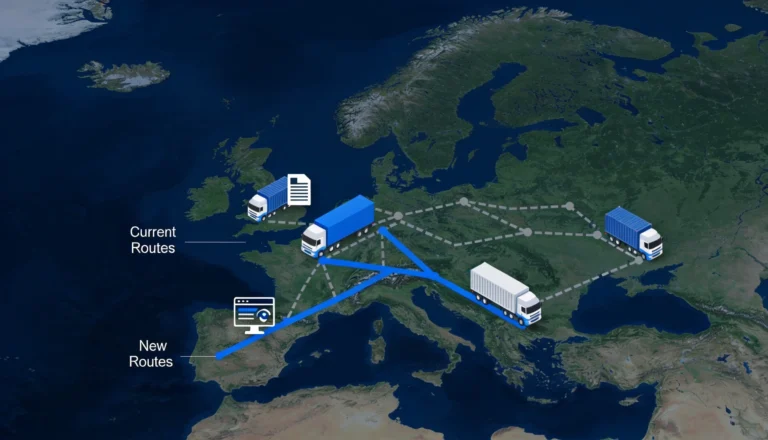
Modern transport management systems can weigh real-time toll data against compliance requirements and service commitments. The goal is not the shortest route or the cheapest route, but the most cost-effective one that still ticks every box. That sometimes means choosing a slightly longer corridor with predictable conditions over a “cheaper” alternative with limited ADR-approved parking or no secure rest areas for GDP cargo.
The smartest planners we know take a portfolio approach: multiple pre-validated routes per lane, ready to switch when conditions change. Add a central control function with real-time visibility, and you have a network that bends without breaking.
The fleet question
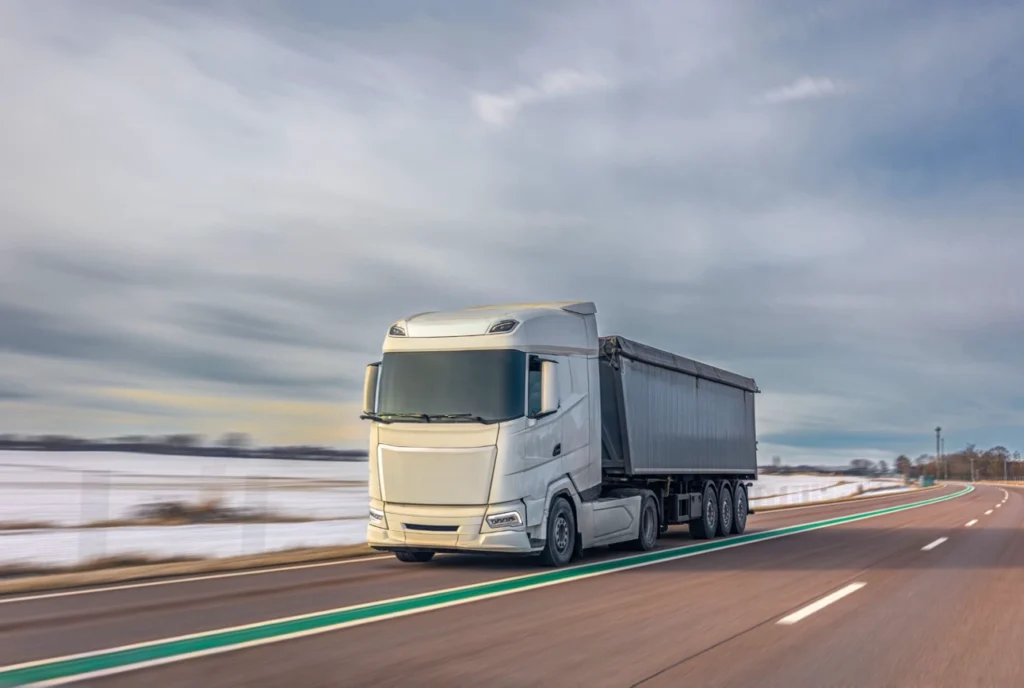
CO2-based tolls reward cleaner trucks, and the incentives are no longer marginal. A zero-emission vehicle can save hundreds of euros per long-haul trip. But the math is not straightforward. Range, charging infrastructure, and purchase price all still play a role.
Most Benelux exporters are taking a hybrid approach. Assign the most efficient Euro VI trucks to the heaviest tolled corridors, gradually introduce electric vehicles for regional distribution, and let the total cost of ownership tell you when the time is right to expand. It is a patient strategy, but logistics is a patient business.
Every kilometre counts
If you cannot easily change the route, change what you put on the truck. A 10 percent improvement in load factor is a 10 percent reduction in toll cost per unit shipped. Consolidation, smart scheduling, and proper backhaul planning all become more valuable as toll rates climb.
Empty kilometres used to be a nuisance. Now they are a direct hit to your margin.
Talking to your customers
Rising toll costs cannot simply disappear into the carrier’s margin. They need to be communicated, and increasingly they need to be shared. Many of our clients are introducing toll surcharges similar to fuel surcharges, linked to official tables and adjusted at set intervals. Transparent, predictable, and fair.
For long-term contracts, this is the moment to check whether your agreements include provisions for regulatory changes. If they do, you have a structured way forward. If not, it is time for a constructive conversation.
How to reduce the effect for your business? Please contact team Trasegro.
Looking ahead
CO2 tolls are not a one-off adjustment. They are the opening move in a much bigger shift in European transport pricing. The EU Emissions Trading System will soon extend to road transport fuels, and more countries will follow Germany’s lead. The cost structure of international logistics will keep evolving.
The companies that come out ahead will be the ones that build flexibility into their planning, invest in good data, and work with logistics partners who treat their challenges as their own.
Trasegro informs
Trasegro: logistics solutions for complex requirements. With a strong focus on personal service and professionalism, Trasegro supports clients in navigating complex logistics challenges with flexible, reliable solutions.