Open on paper, half empty in practice
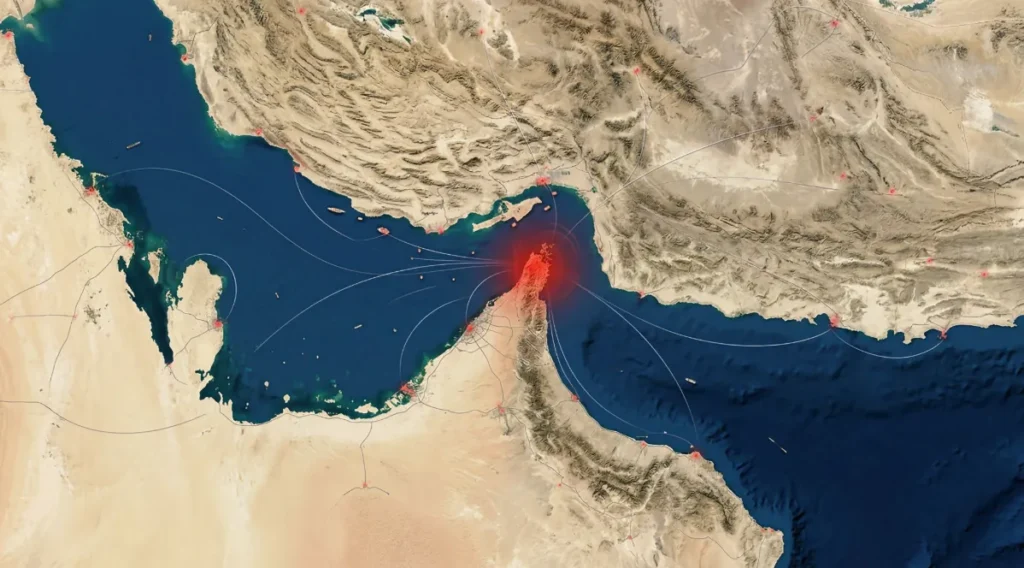
The turning point came on the seventeenth of June, when the United States and Iran signed a memorandum of understanding to end the war and reopen the strait. Within a day the first tankers and LNG carriers started moving again. The mood was captured perfectly by the call to let the oil flow.
Then reality arrived. On the first full day of reopening, vessel trackers counted around twenty five crossings. Before the conflict, roughly one hundred and twenty to one hundred and forty ships passed through every single day. So we are talking about something closer to twenty percent of normal traffic, not a return to business as usual. A few days later Tehran briefly announced the strait was closed again, citing continued Israeli action, while Washington insisted traffic was flowing. That whiplash tells you everything about how fragile this reopening still is.
How to reduce the effect for your business? Please contact team Trasegro.
Why open and normal are two very different words
A ceasefire announcement is not a mine clearance certificate. During the closure, sea mines were laid in the strait, and clearing them is slow, careful work. Estimates run from forty to fifty days at the optimistic end, with some analysts warning it could take up to six months before the main channel is fully verified as safe.
That matters because mine clearance is the precondition for almost everything else. No verified safe corridor means no normal insurance, and no normal insurance means the big carriers stay cautious. For now, traffic is squeezing through two narrow lanes, a northern route under Iranian control and a southern route through Omani waters, while the central channel stays largely off limits.
Insurance is the real bottleneck, not politics
Here is the part that hits transport budgets directly. Before the conflict, war risk premiums for a Hormuz transit sat at roughly one tenth of a percent of a vessel’s value. Today they run somewhere between one and five percent, with some quotes higher. For a supertanker insured at two hundred million dollars, that is the difference between a couple of hundred thousand dollars and up to eight million dollars for a single crossing.
Premiums are quick to rise and slow to fall. Underwriters want to see a sustained run of incident free transits, weeks at the very least, before they bring rates back down. So even with the strait technically open, the financial cost of moving cargo through it stays elevated well after the politicians have shaken hands.
Two routes, one rulebook nobody fully agrees on
There is a further complication that does not make the front pages. Iran has set up a Persian Gulf Strait Authority that operates a transit permit and insurance system. The catch is that this body has been designated as a sanctioned entity, which means any payment to it by a Western affiliated shipowner, insurer or bank touching US dollars risks being a prohibited transaction.
Right now that mandatory insurance is being offered free of charge during a sixty day window that closes around the middle of August. After that, the picture gets murky fast. For freight forwarders this is the heart of the matter. The legal and compliance work around a single shipment has quietly become as important as the routing itself.
How to reduce the effect for your business? Please contact team Trasegro.
Where this actually lands on your shipments
The strait carries about twenty percent of the world’s oil and a similar share of its LNG, and Europe leans on Qatari gas that almost all moves through this one waterway. The good news is that crude and LNG carriers have started returning, and oil prices have eased. The less comfortable news is the knock on effect for everyone else.
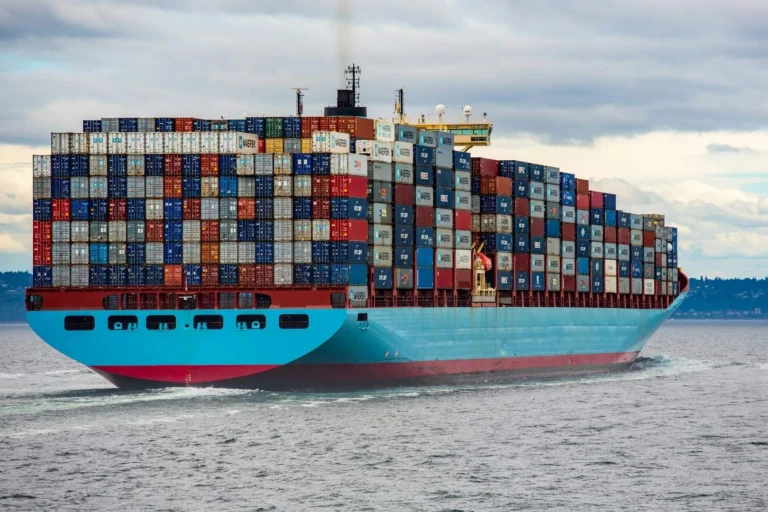
During the closure, carriers rerouted around the Cape of Good Hope and rebuilt their entire 2026 schedules, vessel positioning and fuel buying around that longer route. Unwinding those arrangements does not happen overnight. An estimated two million containers are sitting out of position across the global network. As traffic releases from the Gulf, the congestion does not vanish, it simply moves to transshipment hubs like Jebel Ali, Colombo, Singapore and Tanjung Pelepas that are already running hot. Expect lingering delays, equipment shortages and rate volatility across ocean lanes well beyond the strait itself.
For time critical cargo, the message is familiar. Build in buffer, confirm equipment availability early, and do not assume a quoted transit time reflects the real one.
What smart shippers are doing right now
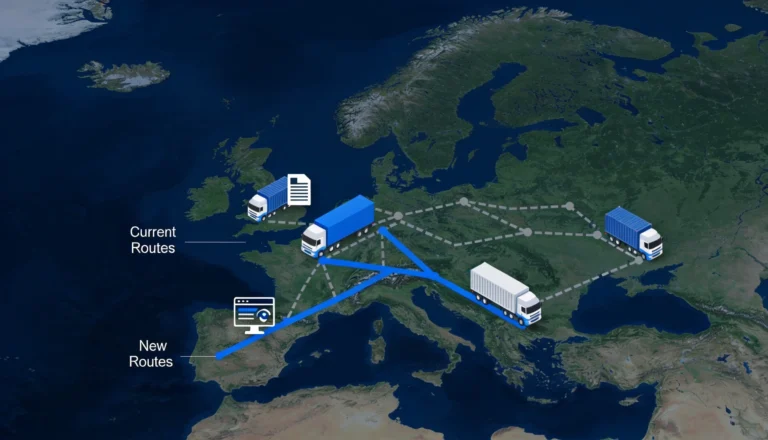
The operators who come through this in good shape are not the ones waiting for a clean all clear that may not arrive for months. They are the ones treating the next quarter as a managed transition. That means keeping more than one routing option live, including Cape of Good Hope and rail alternatives where they make sense. It means pinning down insurance and compliance status before booking, not after. And it means working with forwarders who actually pick up the phone when a sailing slips or a permit question lands.
Visibility across road, rail, ocean and air is what lets you spot a deviation early and act before a small delay becomes an expensive one. In a market this jumpy, that early warning is worth more than any single cheap rate.
What is next: better, but not back to before
No serious analyst expects a full snap back. Even on optimistic forecasts, energy flows through Hormuz are unlikely to top half of pre war levels in the first month after clearance. A genuine return toward pre conflict volumes stretches toward late 2026, and some producers think full flows will not resume until 2027. Insurance normalisation lags the politics by months, container imbalances take time to resolve, and secondary port congestion has only just begun to build.
The strait is open. That is real progress and worth welcoming. But the post war Hormuz is going to look different from the one that closed in February, with new permit systems, higher baseline costs and a much sharper focus on route resilience. For logistics planners across the Benelux, the takeaway is the same one that has served well all year. Active management beats passive procurement, every time.
How to reduce the effect for your business? Please contact team Trasegro.
Trasegro: logistics solutions for complex requirements
With a strong focus on personal service and professionalism, Trasegro supports clients in navigating complex logistics challenges with flexible, reliable solutions.
What sets Trasegro apart is not just what we do but how we do it. We listen, communicate and act in partnership, responding quickly when it matters most. No one-size-fits-all approach but tailored solutions that fit your reality.