The downside of scaling up an inland shipping fleet
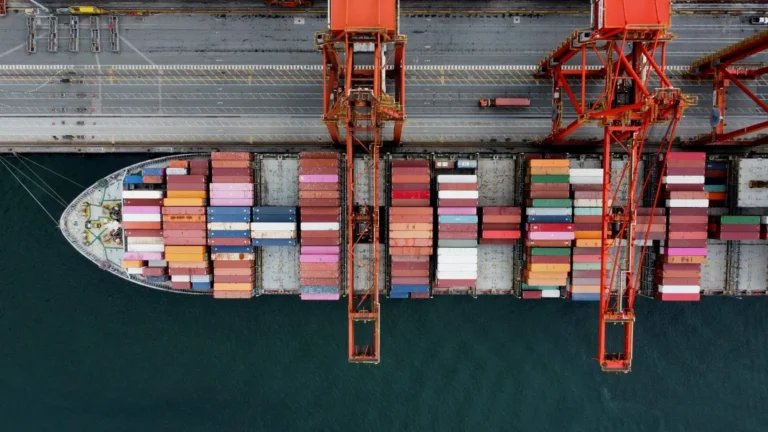
Bigger vessels need more draught. As water levels drop, so does their loading capacity, and with it, part of the cost advantage that made them attractive in the first place. It isn’t only drought that causes trouble either. High water can be just as disruptive, particularly for container shipping, where vessels sometimes can’t clear the bridges along their route.
The lesson from this year’s dry summer is a simple one: no single type of vessel performs well under every condition. A fleet built entirely around scale is a fleet built around a single point of failure.
Where small ships earn their keep in inland shipping
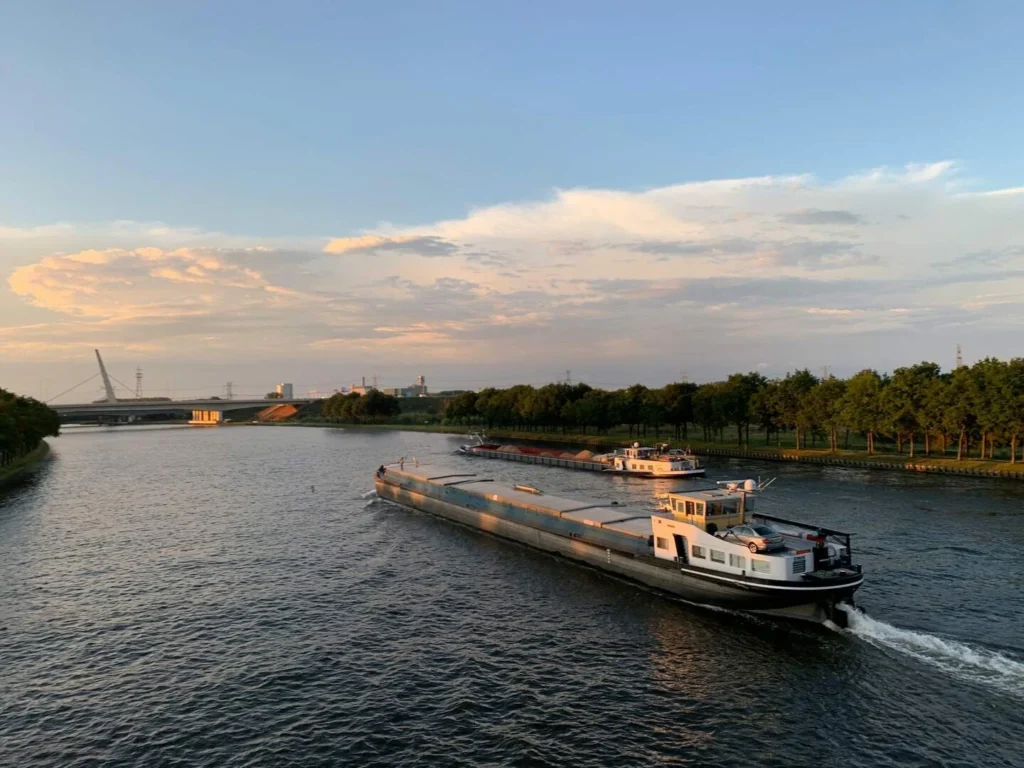
This is exactly where smaller inland vessels prove their worth. Their shallow draught lets them keep operating on stretches of river where larger ships are forced to slow down, load lighter, or stop altogether.
For shippers, that difference matters more than it might seem on paper. It means cargo keeps moving when conditions turn against the bigger fleet. It means fewer disruptions in the supply chain at exactly the moment disruptions are hardest to absorb. Smaller vessels may not benefit from the same economies of scale, but they bring flexibility, reach, and continuity, three things that become priceless the moment the weather stops cooperating.
How to reduce the effect for your business? Please contact team Trasegro.
A fleet needs the right policy to match
A genuinely diverse fleet doesn’t happen on its own. If the Netherlands wants to keep benefiting from smaller vessels when it matters most, that recognition needs to show up in policy too. Regulation and administrative requirements often land disproportionately hard on smaller barge operators, even though these same operators are frequently the ones keeping regions and businesses accessible when larger ships can’t get through.
The point isn’t the size of the vessel. It’s the reliability of the goods flow it enables. A healthy mix of ship types, big and small, is what makes the sector resilient to changing conditions, rather than optimised for only the good ones.
Innovation still has work to do in inland shipping
Alongside a diverse fleet, innovation remains essential. New vessel designs, digitalisation, smarter route planning, and technology that can adapt to fluctuating water levels all contribute to a more efficient and future-proof transport system. Better real-time information on water levels and available capacity also helps shippers plan ahead and adjust before disruptions hit, rather than reacting once they already have.
What this means for inland shipping shippers
Shippers need supply chains that are reliable, affordable, and sustainable, and this summer’s drought is a clear illustration of why that requires more than one type of solution. No single vessel category performs well in every scenario. A diverse fleet, supported by smart innovation and sensible policy, is what keeps goods moving even under extreme conditions, and that in turn strengthens both the inland shipping sector and the competitiveness of Dutch logistics as a whole.
For businesses that depend on predictable transit times, this isn’t an abstract policy discussion. It’s a real operational risk, and one worth planning around before the next dry summer arrives.
How to reduce the effect for your business? Please contact team Trasegro.
Trasegro: logistics solutions for complex requirements
With a strong focus on personal service and professionalism, Trasegro supports clients in navigating complex logistics challenges with flexible, reliable solutions.