Costs Rise While Volumes Stay Flat
Expected revenue growth in the sector for this year sits around 10%, but that figure is deceptive. It largely reflects higher tariffs charged to customers, not an increase in the amount of freight actually being transported. Companies are simply moving roughly the same volumes at a higher price.
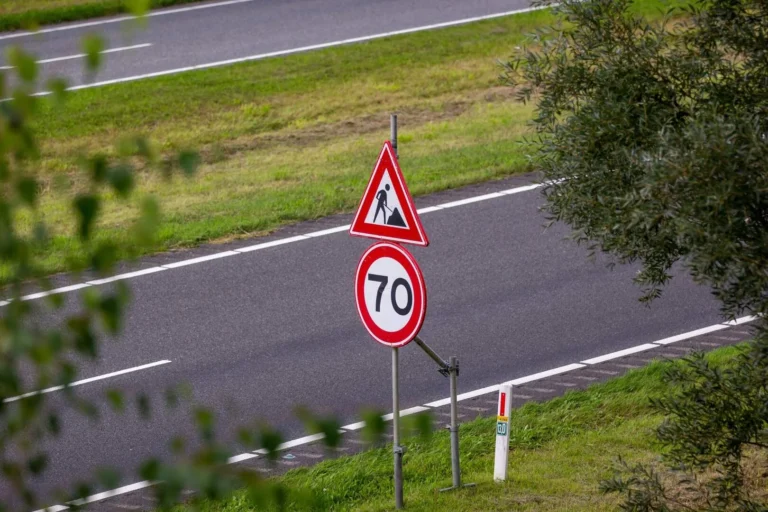
Road transport feels this most acutely. Diesel prices are currently about 30% higher than they were a year ago, a jump that eats directly into margins. On top of that, a new road pricing scheme introduced in July adds another fixed cost that carriers cannot avoid. Wages have climbed too, and higher interest rates make financing fleets and operations more expensive across the board.
Passing these costs on to customers is not always straightforward, and it rarely happens immediately. That creates real pressure on margins and profitability, even when the transport component itself is often only a small part of a product’s final price. Between companies further up and down the supply chain, though, the impact of these shifts can be substantial.
Ocean Freight Sails a Different Course
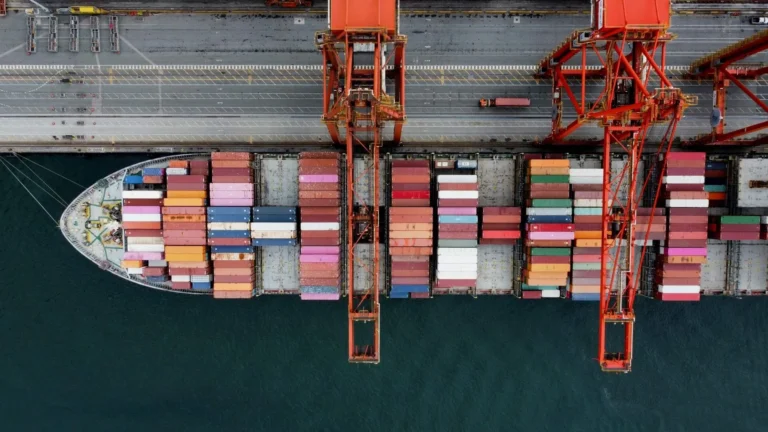
Not every part of the sector is under the same pressure. Ocean shipping providers are actually benefiting from the current disruption. Higher rates per nautical mile combined with persistent capacity shortages mean this segment sees stronger returns, a sharp contrast to the squeeze felt on the roads.
How to reduce the impact for your business? Please contact team Trasegro.
A Widening Gap With China
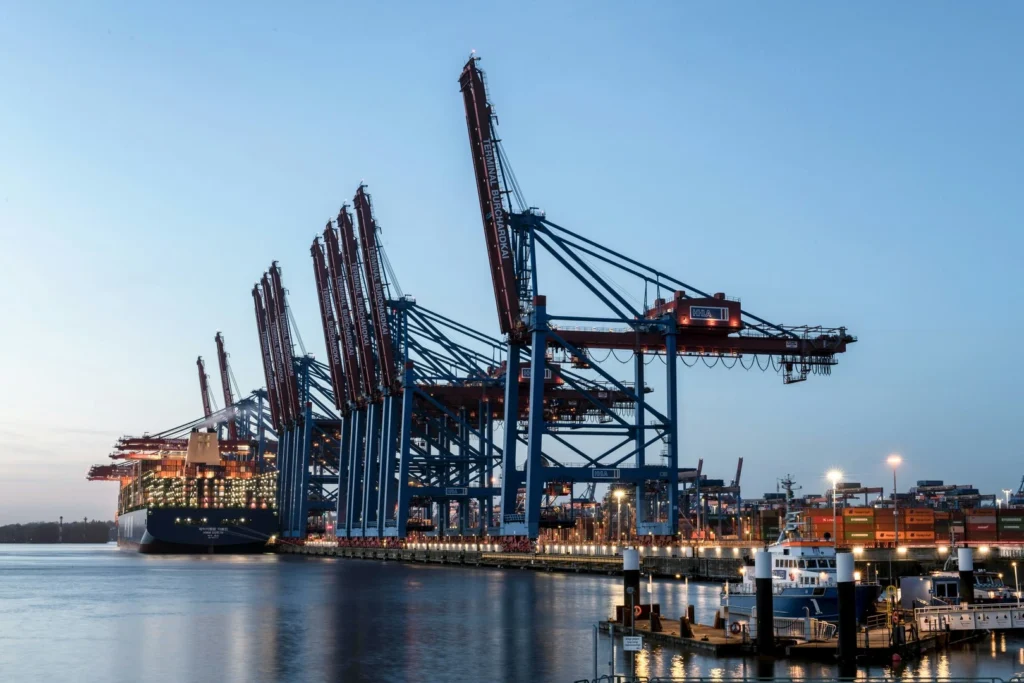
A growing trade imbalance with China is adding further strain on European ports. In the first half of 2026, European exports to China fell by 11%, while imports from China rose by more than 20%. That lopsided flow is showing up clearly in container statistics. The number of empty containers passing through Rotterdam has risen by 17% over the past two years and by 60% over the past six, with Antwerp-Bruges seeing a similar upward trend.
A European levy of three euros on small parcels valued under 150 euros was introduced to slow the flow of low-value shipments from China. It has had some braking effect, but the underlying container problem remains unresolved. Larger, bundled orders and a shift in shipping method from air to sea are offsetting much of the intended slowdown, keeping pressure on European terminals high.
Aging Roads and Bridges Add to the Bill
Infrastructure is another growing concern. The maintenance backlog on roads and bridges is projected to climb to 34.5 billion euros by 2038. Against that scale of need, the government has earmarked only 1.5 billion euros in additional funding starting in 2027, a gap that will likely be felt by everyone relying on that infrastructure to move goods reliably.
How to reduce the impact for your business? Please contact team Trasegro.
What This Means for the Months Ahead
Taken together, these trends point to a sector where higher costs, not higher volumes, will define the year. Fuel, wages, financing and new levies are all pulling in the same direction, while structural issues like the China trade imbalance and aging infrastructure add further uncertainty. Companies that can flexibly manage their logistics chains, and that keep a close eye on where costs and capacity are shifting, will be best placed to navigate what comes next.
Trasegro: Anything except standard. Logistics solutions for complex requirements.
With a strong focus on personal service and professionalism, Trasegro supports clients in navigating complex logistics challenges with flexible, reliable solutions.
What sets Trasegro apart is not just what we do but how we do it. We listen, communicate and act in partnership, responding quickly when it matters most. No one-size-fits-all approach but tailored solutions that fit your reality.