When the river stops cooperating
Water is supposed to be the reliable part of logistics. Rivers do not go on strike, they do not sit in traffic, and they rarely surprise you.
Until they do.
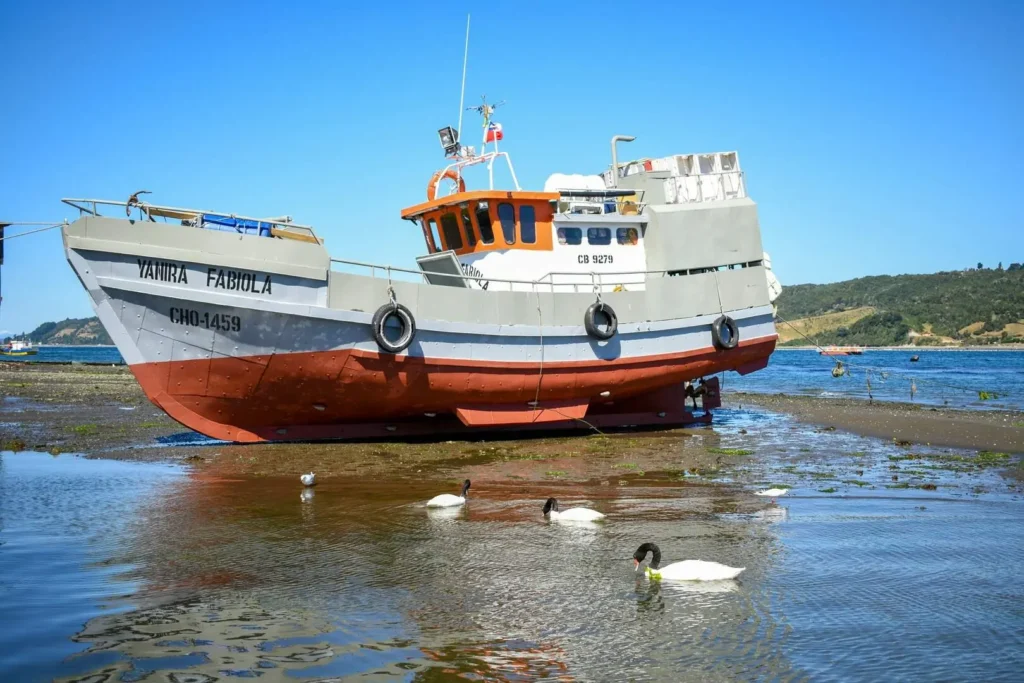
This year, Europe’s inland waterways are running lower than almost anyone has seen before. Barges that normally carry full loads are sailing half empty, some ports are seeing vessels arrive that can only take on a third of their usual cargo, and the ripple effect is reaching far beyond the riverbanks. For a company built on intermodal transport, that is not a footnote. It is the whole story.
Why this hits intermodal transport the hardest
Intermodal transport works because the pieces fit together. Cargo moves from barge to rail to road, switching modes without switching containers, and the whole system depends on every link doing its job.
Take one link out, or weaken it, and the rest has to work overtime to compensate.
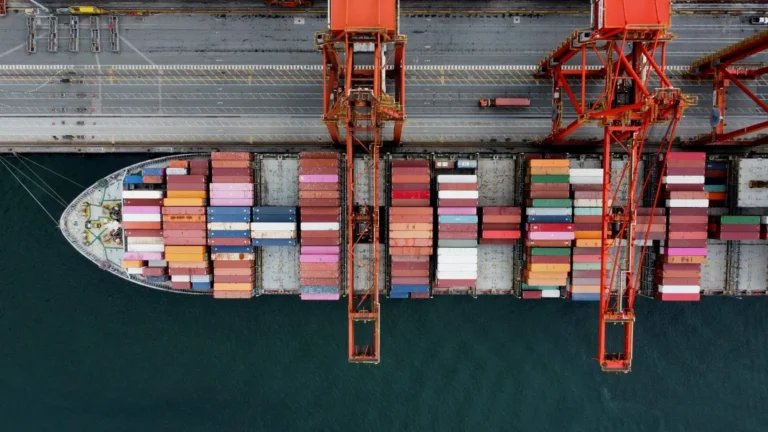
When water levels drop, barges cannot load as much. Less water under the keel means less draft, and less draft means less cargo. Operators respond by shifting volume to rail and road, but those networks were not built with unlimited spare capacity either. Rail slots fill up fast. Truck drivers are already in short supply. What used to be a smooth handover between modes turns into a scramble for space.
The result: longer lead times, higher costs, and a supply chain that suddenly needs a lot more patience than usual.
How to reduce the effect for your business? Please contact team Trasegro.
What we are seeing on the ground
Team Trasegro keeps a close eye on developments like these, because our clients cannot afford to be surprised by them.
Right now, we are seeing:
- Reduced barge capacity, forcing cargo owners to split shipments across more vessels or switch modes altogether.
- Rising freight rates, as demand shifts to already tight rail and road markets.
- Longer transit times, especially for cargo moving through key chokepoints on the Rhine corridor.
- Higher pressure on planning, since flexibility now matters more than ever.
None of this is new to logistics. Drought years have tested the Rhine before, and they will again. What matters is not whether disruption happens, but how prepared your business is when it does.
One size does not fit all, especially now
There is no single fix for low water levels. What works for one shipment will not work for another, and that is exactly why a flexible network matters so much in situations like this.
Some cargo can shift to rail without much trouble. Other cargo needs a combination of smaller vessels and road transport to stay on schedule. Some clients can absorb a short delay, others cannot afford to lose a single day.
This is where experience earns its value. A team that has built relationships with alternative carriers, tracked capacity across multiple modes, and stayed close to its transport partners can find options that are simply not visible from the outside. Growth and resilience both follow the same rule: it is the network that carries you through, not any single mode of transport.
How to reduce the effect for your business? Please contact team Trasegro.
Staying calm when the water does not
Risk is part of logistics, and low water levels are a reminder of that. The businesses that come out ahead are not the ones who avoid every disruption. They are the ones who stay calm, communicate clearly, and pivot quickly when conditions change.
That mindset is at the core of how we work. We monitor the situation continuously, keep our clients informed, and propose the option that fits their specific cargo, deadline, and budget. No blanket solutions, no guesswork, just a personal approach built on a network we trust.
Trasegro: Anything except standard – Logistics solutions for complex requirements
With a strong focus on personal service and professionalism, Trasegro supports clients in navigating complex logistics challenges with flexible, reliable solutions.