Staying Ahead of Disruption
Working with a logistics partner that actively tracks these changes and adjusts routing in real time can make the difference between a minor detour and a missed delivery window. As the Dutch network continues to modernise, staying informed and adaptable will remain the most reliable way to keep freight moving.
The scale of these works means that route planning through 2026 and beyond needs to account for ongoing changes rather than a single temporary detour. Regularly checking planned closures, building in buffer time for sensitive shipments, and maintaining flexible routing options all help reduce the risk of delays cascading through a supply chain.
How to reduce the impact for your business? Please contact team Trasegro.
The root cause
Why So Much Infrastructure Needs Renewal at Once
Much of the Dutch road and waterway network was built in the 1950s and 1960s. Since then, the population has grown substantially, traffic volumes have increased, and vehicles have become heavier. On top of that, structures now need to withstand more extreme weather conditions, including heat, drought and intense rainfall. Storm surge barriers along the coast also need reinforcement to keep pace with rising sea levels. These pressures have accumulated over decades, and now a large share of the network needs attention within a relatively short window.
This is not a sign of neglect. It reflects the scale of what was built decades ago, and the fact that infrastructure has a finite lifespan. What is different now is the volume of work required at the same time, across many locations simultaneously.
Asphalt Damage Is Becoming More Visible
One of the more noticeable effects for road users is asphalt deterioration. Repeated freeze-thaw cycles combined with heavy traffic loads have accelerated wear on several stretches of highway across the country. Small cracks and potholes have grown larger in places where maintenance had already been postponed. As a result, lane closures for safety reasons are becoming more common on a range of routes, not just a handful of well-known bottlenecks.
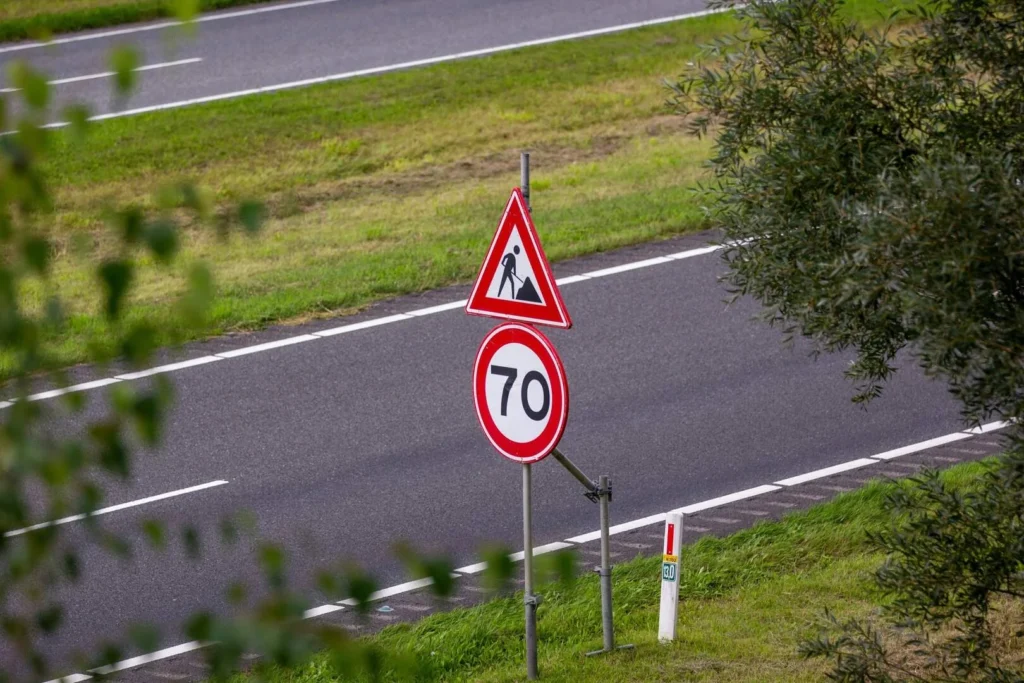
Every case is assessed individually. Where a repair cannot be carried out immediately, temporary measures such as lower speed limits, restrictions on heavy vehicles, or partial lane closures are put in place to keep traffic safe while a permanent fix is scheduled.
What This Means for Planning and Coordination for All Parties
Because the maintenance backlog is large and budgets are finite, not every structure can be repaired at once. Choices are made based on safety and urgency, which means that some highways, bridges, tunnels, locks or viaducts will wait longer for their turn than others. This also raises the likelihood of technical disruptions in traffic systems, alongside the planned works themselves.
Coordination across the network helps limit disruption. Rijkswaterstaat works closely with municipalities, provinces, water authorities and the national rail operator to align closures and diversions, and with emergency services to ensure alternative routes remain available when needed. For shippers and carriers, this coordination is worth watching closely, since a closure planned well in advance is far easier to route around than an unexpected one.
How to reduce the impact for your business? Please contact team Trasegro.
Balancing Safety and Continuity
Safety remains the guiding principle behind every decision. Before any lane or route is closed, the impact on emergency response times and through traffic is weighed carefully. Where possible, urgent repairs are folded into already scheduled maintenance windows rather than creating additional, separate disruptions. This approach limits the number of times a route is affected, even if it means some fixes take longer to reach.
For companies that depend on predictable transit times, this is a reminder that the disruption is deliberate and planned, not the result of poor oversight. The intended outcome is a stronger, more resilient network that can handle heavier traffic and harsher weather for decades to come.
Trasegro: Anything except standard. Logistics solutions for complex requirements.
With a strong focus on personal service and professionalism, Trasegro supports clients in navigating complex logistics challenges with flexible, reliable solutions.
What sets Trasegro apart is not just what we do but how we do it. We listen, communicate and act in partnership, responding quickly when it matters most. No one-size-fits-all approach but tailored solutions that fit your reality.