The numbers tell the story.
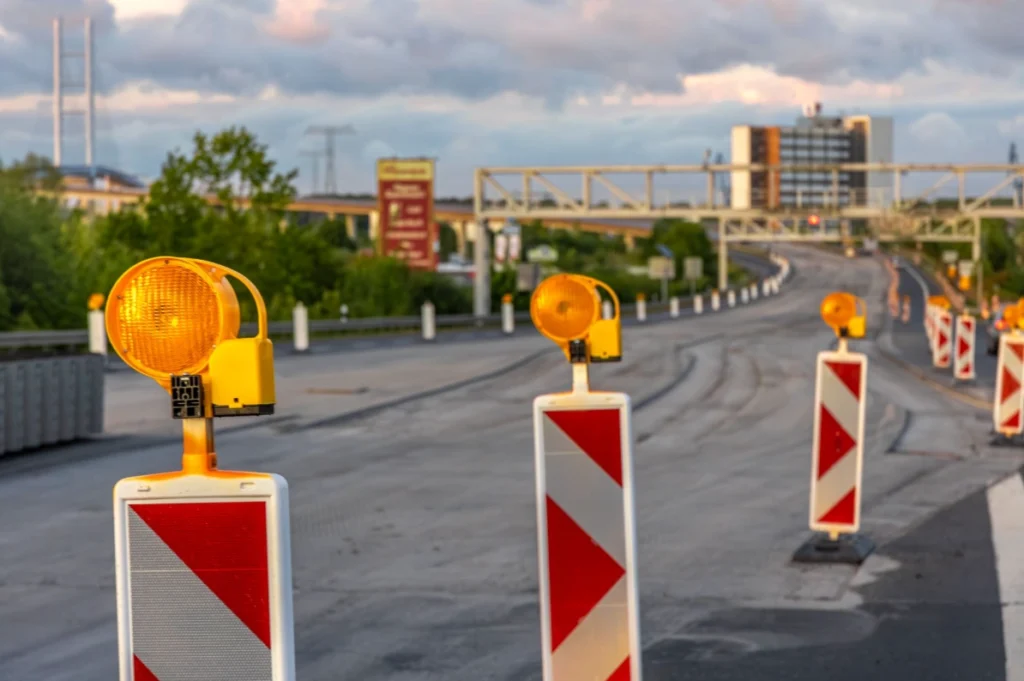
The Mont Blanc Tunnel closes completely from September to December, taking out one of Europe’s key north-south corridors for hazardous materials. The Brenner route, which handles more than 36,000 vehicles and over 52 million tonnes of freight every year, will be reduced to a single lane on busy Saturdays because of the deteriorating Luegbrücke bridge. The brand-new Karawanken Tunnel? Closed several nights this summer for ventilation testing.
And then there are the so-called black Saturdays: July 25 and August 1 and 2. On these days, traffic jams within a single country can stretch beyond 1,000 kilometres. Bavarian school holidays start on August 3, which only adds to the pressure. Alpine corridors are expected to see delays of eight to ten hours. A single collision in a tunnel like Arlberg or Karawanken creates a 30-kilometre traffic jam in just fifteen minutes.
It is going to be a long summer.
New ADR rules, less margin for error.
As if the roads themselves were not enough, stricter ADR regulations take full effect on 24 June 2026. Lithium-ion and sodium-ion battery transport, revised hazardous waste classifications, updated protocols for the return of defective goods. The whole package.
The transition period after the November 2025 effective date is only eight months. That sounds like enough time, but anyone who has updated procedures, documentation, and driver training across multiple shipping lanes knows otherwise. For chemical and pharmaceutical clients with strict compliance requirements, routes that worked perfectly last year may simply no longer qualify.
How to reduce the effect for your business? Please contact team Trasegro.
Planning ahead is no longer optional.
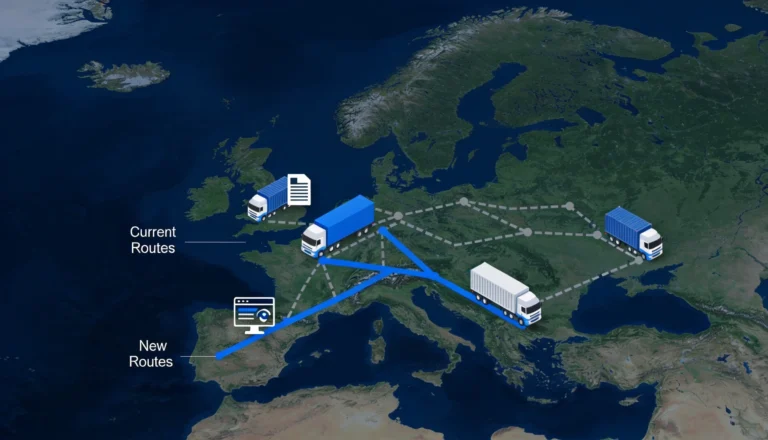
This is not a season for reactive decisions. In our experience, a thorough route analysis ninety to one hundred and twenty days before a shipment leaves the warehouse is the bare minimum. Primary route, two alternatives, all ADR-compliant, all checked against scheduled closures and weekend driving bans.
It is the second-order effects that catch people off guard. When the Mont Blanc Tunnel closes, traffic does not disappear, it shifts. Fréjus becomes the next bottleneck, with its own scheduled closures for marking-device installation. German weekend driving bans apply to vehicles over 7.5 tonnes from Saturday 07:00 to 20:00 and Sunday 00:00 to 22:00. That changes everything for time-sensitive ADR shipments.
A practical contingency plan covers:
- All potential routes, including current ADR restrictions and maintenance windows
- Realistic transit times that include traffic patterns and mandatory rest periods
- Secure parking facilities along alternative routes
- Clear communication protocols for rerouting on the fly
- Documented temperature control capabilities for each option
- Verified customs clearance at alternative border crossings
None of this is glamorous work. All of it makes the difference between a delivery that arrives and one that does not.
A shrinking pool of drivers, a rising fuel bill.
The capacity side of the equation is no better. Europe could be short of more than two million drivers by 2026, with unfilled heavy goods vehicle positions potentially passing sixty percent. During the summer peak, when demand rises and trips take longer, that gap is felt sharply.
The economics follow the same pattern. Fuel prices on Austrian and German motorways can run up to twenty-five percent higher than at off-motorway alternatives. Trucks idling in traffic jams with air conditioning running consume fuel at an alarming rate. Temporary fuel surcharges are expected to climb from nine to fifteen percent.
For temperature-controlled and hazardous shipments, those numbers add up quickly.
Visibility is the new safety net.
Real-time visibility is no longer a nice-to-have. When a tunnel closes or a route congests, the difference between knowing in five minutes and knowing in two hours can be the difference between a smooth detour and a missed delivery window.
Linking transport management systems to live traffic data allows routes to adapt to what is actually happening on the road, instead of what was planned last week. For pharmaceutical shipments, where a temperature deviation during a long delay can compromise the entire load, this kind of responsiveness is essential.
Spot market or strategic partner?
In a season like this, the spot market becomes a risky place to be. When primary routes close and capacity disappears, last-minute bookings tend to come with last-minute prices, or no options at all.
This is where a reliable freight forwarder earns their keep. Established relationships with compliant carriers, access to secure parking, hands-on experience with ADR across multiple countries. Contingency plans that are not theoretical but built around your specific cargo, your vehicles, your timelines.
Ready when it gets difficult.
Summer 2026 will not be easy. Infrastructure disruptions, regulatory tightening, capacity constraints, and a holiday season all colliding at once. The companies that come through it well will be the ones who started preparing months in advance, secured their capacity early, and built routing strategies with real flexibility.
The question is simple: will you be ready when it starts?
Trasegro: logistics solutions for complex requirements. With a strong focus on personal service and professionalism, Trasegro supports clients in navigating complex logistics challenges with flexible, reliable solutions.