Bigger trucks are coming. And they are coming together.
For a decade, Belgium and the Netherlands quietly ran a pilot with Longer and Heavier Vehicles, or LHVs. Think combinations up to 25.25 metres long and 60 tonnes heavy, rolling on a handful of selected routes. In 2026, that pilot grows up. Belgium, the Netherlands and Luxembourg are joining forces into one coordinated Benelux network for these mega-trucks.
That is not a small update. If you move ADR shipments, machinery or other complex industrial cargo, this changes how you plan capacity, routes and compliance, starting now.
From careful pilot to a real network.
Ten years of data will do that. What started as a cautious experiment on a few corridors has proven itself on road safety, infrastructure impact and its effect on rail and inland waterways. The result is a trilateral network that finally gives logistics teams what they have been waiting for: scope and predictability.
More authorised corridors mean more consolidation opportunities across more origins and destinations. Fewer trips for the same volume. Lower unit costs. Lower emissions per tonne kilometre. That is the promise. The catch is that access still comes with conditions: designated routes, technical requirements and enforcement that now has to work across three countries instead of one.
Why ADR sits right at the centre of this story.
Dangerous goods transport is regulated tightly, and for good reason. ADR 2025, the current European rulebook for classification, packaging, marking, documentation and driver training, applies exactly the same to a standard truck as it does to a 25-metre giant. The difference is scale: a bigger vehicle carries more hazardous material in a single trip.
Fewer ADR movements on the road can lower overall exposure. But it also means that if something goes wrong with a high-capacity ADR vehicle, the consequences can be more serious, especially near populated areas. The right response is not to avoid mega-trucks. It is to be deliberate about where and when you use them.
How to reduce the effect for your business? Please contact team Trasegro.
What never changes, no matter the size of the truck.
Some things stay non-negotiable, regardless of how the vehicle network evolves:
- Correct classification, UN numbers and packing groups for every substance
- Approved packaging and tanks built to handle mechanical and temperature stress
- Complete transport documentation, including an accurate consignment note
- Proper vehicle marking with orange plates and hazard identification numbers
- Thorough checks during loading and unloading, of vehicle, equipment and paperwork
A new financial layer lands at the same time.
As if a new truck network was not enough, two financial changes arrive alongside it. The Netherlands introduces a kilometre-based toll for vehicles over 3.5 tonnes on nearly all motorways and several main roads. Its Eurovignette obligation disappears after 30 June 2026, while Luxembourg and Sweden keep theirs. Meanwhile, Dutch motor vehicle tax for trucks drops close to zero, shifting the financial weight from ownership to usage.
Cleaner trucks pay a lower toll rate, and part of that revenue flows back into subsidies for zero-emission vehicles and charging infrastructure. Only trucks with a valid tolling contract and working on-board equipment are allowed on the tolled network. For any route crossing multiple countries, toll contracts, on-board units and vignettes all need to be managed as one plan. Get this wrong, and a vehicle can lose its access mid-route.
The efficiency case, without the marketing gloss.
The logic behind an LHV is refreshingly simple: more goods, per movement. Fuel consumption does not scale one-to-one with payload, so when loads are properly consolidated, emissions per tonne kilometre tend to fall. On busy corridors between ports, chemical clusters and distribution centres, that difference adds up.
None of this happens automatically, though. It depends on high load factors, minimal empty running and tight loading windows. This is exactly where a control tower earns its keep: combining flows across sectors and customers to keep high-capacity vehicles consistently full, while routing the last mile through standard trucks wherever a site simply cannot fit a 25-metre combination.
Where a healthy dose of caution belongs.
Two things deserve honest attention here.
First, safety. Countries with mature road safety systems tend to show lower overall accident rates where mega-trucks operate, but when accidents do involve these vehicles, they can be more severe. Recent EU figures also point to weak speed compliance in urban areas, sometimes under 50 percent. That is a strong argument for keeping high-capacity ADR traffic on suitable main corridors and well away from high-risk zones.
Second, modal shift. Belgian research warns that LHVs can shrink the catchment area around rail and inland waterway terminals, quietly pulling cargo back onto the road. A well-designed network should strengthen intermodal transport, not undercut it. We would rather combine a high-capacity road leg with rail or barge, where that genuinely supports cost and emissions, than weaken the modes that keep the whole network in balance.
How to reduce the effect for your business? Please contact team Trasegro.
What this means for your planning.
Our view is simple. The Benelux LHV network is a platform, not a finished solution. Used well, it brings more stable capacity, fewer movements on the road and cleaner transport. Used carelessly, it adds risk. The difference comes down to solid governance and clear communication, every single time.
- Deploy mega-trucks only on authorised corridors with suitable infrastructure
- Build ADR classification, marking and documentation into every booking, without exception
- Plan tolls and vignettes for the entire route, not country by country
- Track emissions per tonne kilometre, so your customers can report accurately
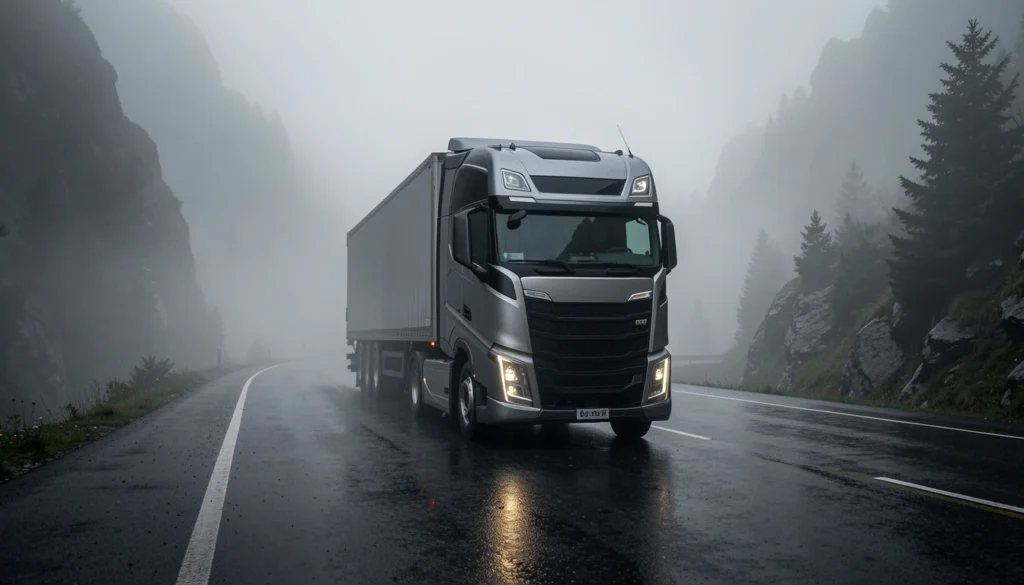
- Keep a backup plan ready for closures, severe weather and peak volumes
For shippers in chemicals, pharma, food, high tech and project cargo, the goal has not changed: compliant, safe and predictable shipments, with one point of contact who genuinely thinks along with you.
Trasegro: Anything except standard
Logistics solutions for complex requirements
With a strong focus on personal service and professionalism, Trasegro supports clients in navigating complex logistics challenges with flexible, reliable solutions.
If you would like to explore how the 2026 Benelux network fits your flows, get in touch with team Trasegro or submit a transport request. Anything except standard.