ADR 2027 represents more than a regulatory update.
It signals the logistics industry’s shift toward more sustainable dangerous goods transport.
ADR stands for Accord européen relatif au transport international des marchandises dangereuses par route. It is a European agreement from 1957 for the safe international transport of dangerous goods by road. The treaty sets strict rules for the packaging, labeling, and transport of these substances.
Please contact Team Trasegro for personalized assistance.
Hydrogen vehicles finally cleared for dangerous goods transport
For years, the logistics industry has watched hydrogen technology develop while regulatory frameworks lagged behind. ADR 2027 changes this situation significantly. Where ADR 2025 explicitly prohibited hydrogen and battery electric vehicles from carrying dangerous goods, the new regulations permit category AT and FL hydrogen powered vehicles to transport hazardous materials under strict technical compliance standards.
These vehicles must meet UN Regulation 1349 series 02 amendments for compressed hydrogen systems or GTR 1310 amendment 01 for liquid hydrogen containment. This regulatory shift aligns with EU climate targets under the Alternative Fuels Infrastructure Regulation, which requires hydrogen refuelling stations every 200 kilometers on core transport networks by 2030.
The practical impact goes beyond environmental benefits. Logistics operators can now integrate hydrogen vehicles into their dangerous goods fleets, although current market penetration remains below 2% of heavy duty vehicles. Lead times range from 12 to 18 months, with prices running 15 to 25% higher than diesel equivalents. Early movers who secure fleet conversion slots now will gain a competitive advantage as infrastructure expands.
Special provision 680 transforms battery documentation requirements
Perhaps no change in ADR 2027 has a more immediate operational impact than Special Provision 680. This new requirement changes how damaged or defective lithium batteries move through supply chains. Under Packing Instruction P911, consignors must now formally document and attach to the transport papers all surrounding conditions under which these batteries may be transported.
What does this mean in practice? Temperature ranges, humidity limits, vibration tolerances, and stacking restrictions must all be specified in writing. The provision applies specifically to batteries showing signs of flame formation, disintegration, uncontrolled heat, or gas emission risks. This documentation requirement shifts responsibility from carriers to shippers, significantly increasing liability in cases of non compliance.
Consider a pharmaceutical company shipping damaged lithium ion equipment batteries back to a recycling facility. Previously, basic dangerous goods declarations were sufficient. Under SP680, the company must now provide detailed environmental parameters, accept formal responsibility for their accuracy, and ensure carriers understand every constraint. Administrative fines for non compliance range from €2,000 to €12,000 in various EU jurisdictions.
Empty container exemptions streamline reverse logistics
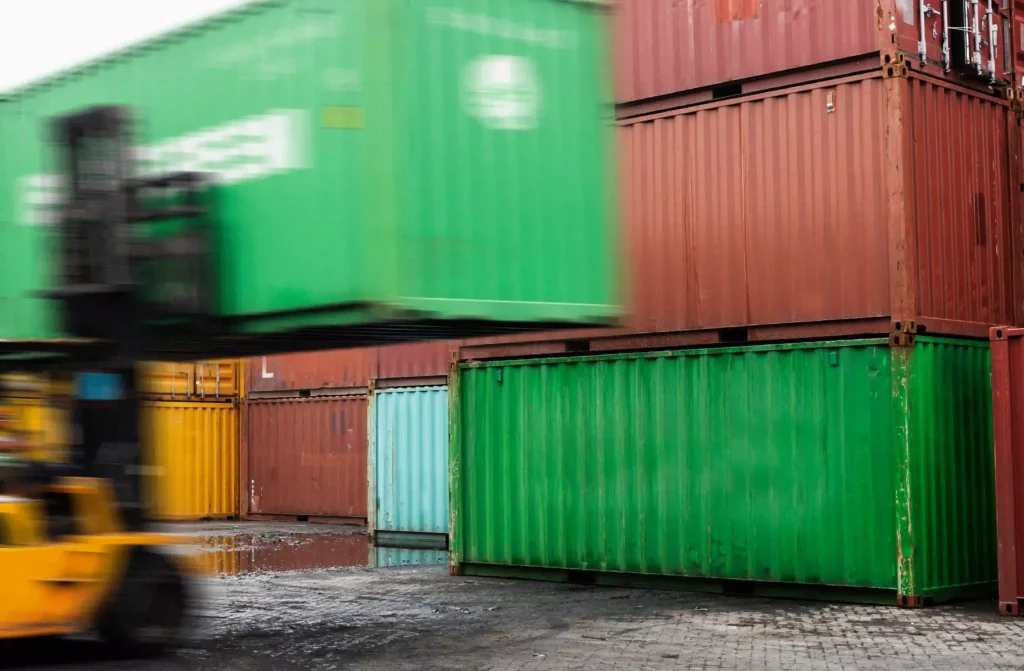
ADR 2027 introduces practical relief for reverse logistics operations through expanded empty container exemptions. The new ADR 4.1.1.15 provisions allow large containers exceeding 150 liters with expired inspection certificates or missing documentation to be moved without full compliance, provided residues do not include specific high hazard classes.
This update particularly benefits pharmaceutical, chemical, and industrial clients returning empty IBC pallets across EU borders. Previously, outdated paperwork could delay shipments for days or even weeks. The exemption applies to containers with Class 3 through 8 residues, excluding asbestos, self reactive substances, and desensitized explosives.
- Estimated impact: 15 to 20% of reverse logistics shipments qualify
- Cost reduction: 30 to 40% decrease in compliance verification expenses
- Time savings: Elimination of documentation delays at border crossings
- Scope limitation: Residue classification accuracy remains the shipper’s responsibility
Sodium Ion batteries gain independent classification
Market developments are driving regulatory change. ADR 2027 introduces three new UN entries for sodium ion batteries, creating regulatory parity with lithium ion standards. UN 3551 covers standalone batteries, UN 3552 addresses batteries in equipment, and UN 3558 applies to battery powered vehicles using sodium ion technology.
This proactive approach reflects market realities. Global sodium ion battery production reached 600 MWh in 2024, with projected compound annual growth rates of 85% through 2030. By establishing clear classification standards now, ADR 2027 helps prevent the regulatory confusion that affected early lithium battery transport.
The alignment with UN Model Regulations suggests global harmonization. PHMSA in the United States has proposed identical entries, which should support smooth transatlantic operations for sodium ion battery shipments. However, limited operational history means emergency response procedures and packaging validation may require adjustments after implementation.
Implementation timeline and compliance steps
Successful ADR 2027 compliance requires structured preparation across several operational areas. The regulatory text enters into force on January 1, 2027, with transitional tolerance for ADR 2025 expiring on June 30, 2027. After this date, non compliant shipments may be rejected at EU borders.
Fleet and equipment assessment, now through June 2026
Begin by auditing current vehicle fuel systems, electrical de energizing controls, and battery condition monitoring systems against ADR Part 9.2 requirements. Hydrogen powered vehicles need UN Regulation 1349 series 02 or GTR 1310 amendment 01 certification. Battery electric vehicles require proven compliance with electrical circuit de-energizing controls within the driver’s cab, properly marked and protected from accidental activation.
Documentation and training updates, Q2 to Q3 2026
Implement SP680 transport document templates for damaged lithium battery shipments. Draft shipper guidance that requires consignor sign off on environmental constraint descriptions. At the same time, enroll all dangerous goods personnel in updated ADR Chapter 8.2 modules covering hydrogen fuel system integrity, battery electric vehicle emergency response, and sodium ion battery classification.
Training bottlenecks present real risks. Accredited providers face overwhelming demand, particularly for hydrogen and battery electric vehicle modules. Backlogs in course completion could force carriers to defer shipments or operate out of compliance. Begin enrollment immediately, prioritizing customer facing and operational staff.
Contract and system validation, Q4 2026
Revise master service agreements with all dangerous goods logistics providers to confirm hydrogen and battery electric vehicle availability, updated training certification, Part 9.2 compliance evidence, and SP680 document handling procedures. Establish clear penalties for non compliance and mechanisms for customer notification if routes or capabilities change after January 1, 2027.
Managing risks and regional variations
ADR implementation occurs at Member State level without a central enforcement authority. Interpretation of empty container exemptions, retail delivery scope, and SP680 requirements will vary by jurisdiction. Germany, France, the Netherlands, and Belgium have historically differed in their enforcement approaches.
Shipments that are compliant in one country may face rejection in another, causing delays and disputes. Consult national competent authorities in key transport corridors early. Maintain flexibility in routing and documentation procedures to accommodate regional differences.
Cost pressures add to compliance challenges. Vehicle upgrades, training, documentation system updates, and hydrogen fuel premiums may collectively increase dangerous goods logistics costs by 12 to 18% by 2027. Customers may resist these increases or shift volumes to non compliant operators. Communicate the value of compliance clearly, combining hydrogen and alternative fuel options with premium service guarantees such as carbon neutral certification and real time tracking.
Preparing for the alternative energy transport future
ADR 2027 represents more than a regulatory update. It signals the logistics industry’s shift toward more sustainable dangerous goods transport. While hydrogen vehicle supply remains limited and training bottlenecks persist, early preparation positions compliant operators for a competitive advantage.
The combination of environmental regulation, technological progress, and operational requirements creates complexity but also opportunity. Organizations that master SP680 documentation, secure hydrogen vehicle capacity, and train personnel ahead of deadlines will be better placed to win market share from unprepared competitors.
Success depends on viewing ADR 2027 not simply as a compliance burden, but as a framework for safer and more sustainable dangerous goods transport. By starting preparations now, logistics providers can ensure a smooth transition, maintain customer confidence, and contribute to Europe’s climate goals while managing the specific challenges of alternative energy shipments.
Trasegro: logistics solutions for complex requirements
Our business is built on patience, a personal approach, and professionalism. Today, Trasegro is an international freight forwarder with a growing client base, flexible business partners, and a skilled team. We specialize in logistics solutions for complex requirements.