Expect closures, also during the day
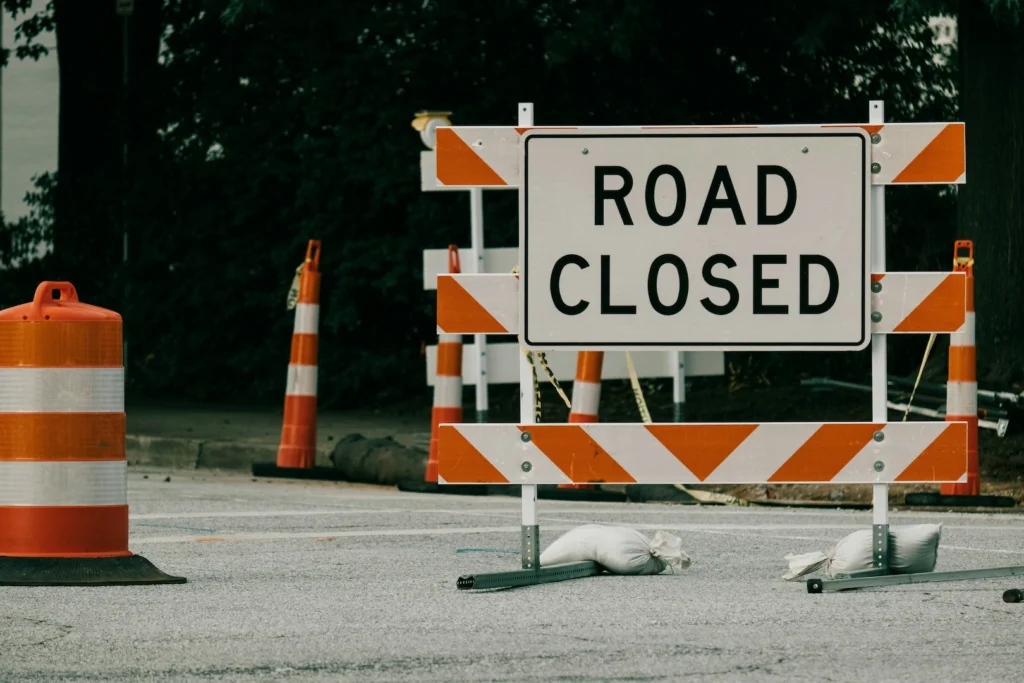
This volume of work cannot be done without disruption. Road closures, diversions and restrictions on waterways will increasingly take place during daytime hours and on weekdays, not only at night or at weekends. Works, diversions and closures are coordinated with municipalities, provinces, water boards and the national rail infrastructure manager, and emergency services are involved in every closure. Even so, transit times on affected corridors will become less predictable.
Infrastructure from the post-war decades needs renewal
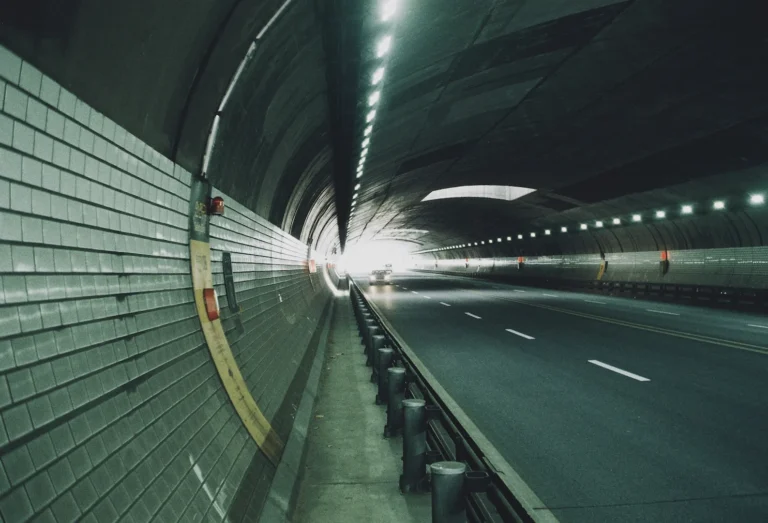
A large part of the Dutch road and waterway network was built in the 1950s, 1960s and 1970s. For decades, these bridges, locks, roads and tunnels kept the country safe and accessible. Today, many of them have reached the point where major maintenance, renovation or full replacement is necessary.
At the same time, demand on the network keeps growing. There are more residents, more and heavier traffic, and busier shipping lanes. On top of that, infrastructure must be increasingly resilient to extreme weather such as heat, drought and heavy rainfall. That combination puts real pressure on the system.
An extra 18 billion euros, but not everything can happen at once
On 16 October 2026, the Dutch government presented its proposed reprioritisation of all national infrastructure projects. Alongside it came an additional investment of 18 billion euros for infrastructure. Maintaining what already exists now takes priority, with safety as the leading principle.
Even with record investment in maintenance, the renewal task is bigger than the available people, resources and budgets. That means sharp choices. The aim is to turn around a trend of rising maintenance backlogs, more frequent malfunctions and longer-lasting restrictions. The prioritisation covers construction, renewal, operation and maintenance alike.
The plan will first be discussed in the Dutch House of Representatives. Final political decisions follow with the Spring Memorandum 2027. Only after that will the definitive project planning and procurement schedule for the coming years become clear.
How to reduce the impact on your business? Please contact team Trasegro.
Temporary measures and emergency repairs
Because not everything can be tackled at the same time, some maintenance, renovation or replacement will happen later than originally planned. To keep ageing structures safe in the meantime, temporary measures may be needed. Think of:
- speed restrictions on specific road sections or bridges;
- weight restrictions on bridges and viaducts;
- lane closures on busy routes;
- unplanned emergency repairs.
Weight restrictions in particular deserve attention. For heavy and oversized loads, a single restricted bridge can mean a substantial detour, extra permits or a different choice of transport mode altogether. These measures can be introduced at short notice whenever safety requires it.
How to keep your shipments moving despite these changes? Please contact team Trasegro.
What this means for your supply chain
The coming years call for a proactive approach. Companies that depend on Dutch road and inland waterway transport should keep a close eye on planned works along their key routes and allow extra buffer time in delivery schedules. It also pays to have alternative routes and modes ready, especially for heavy or time-critical cargo, and to review existing transport agreements on flexibility.
The good news: these works will ultimately lead to a more reliable and future-proof network. Until then, careful planning and an experienced logistics partner make the difference between disruption and a smooth flow of goods.
Trasegro: Anything except standard. Logistics solutions for complex requirements.
With a strong focus on personal service and professionalism, Trasegro supports clients in navigating complex logistics challenges with flexible, reliable solutions.
What sets Trasegro apart is not just what we do but how we do it. We listen, communicate and act in partnership, responding quickly when it matters most. No one-size-fits-all approach but tailored solutions that fit your reality.