Autonomous driving used to sound like something for the distant future. In 2026, that picture is changing fast. Across Europe, governments, shippers and port operators are taking concrete steps to make automated freight transport a reality. For the transport and logistics sector, this brings real opportunities. It also raises important questions about legislation, liability and the future role of the professional driver. Here is where things stand and what it could mean for your supply chain.
Europe is preparing for cross-border autonomous transport
One of the most significant developments this year is the decision by 22 European countries to work together on the conditions for cross-border use of autonomous vehicles. The goal is clear: to prepare for a future in which self-driving vehicles can operate not only within a single country, but internationally as well.
The countries involved are working on shared agreements covering regulation, safety standards and vehicle approval. That matters a great deal. International road freight only works when vehicles can cross borders safely and under the same set of rules. Without harmonised regulation, an autonomous truck that is permitted in one country could be forced to stop at the next border. A common European framework removes that barrier before it becomes a bottleneck.
From pilot projects to daily operations
While the regulatory groundwork is being laid, practical trials are already running in several countries. In Germany, retailer Lidl is using a cabinless autonomous truck on public roads to move goods between two distribution centres. The route is limited and operations take place under controlled conditions, but the results so far are positive. New routes are already being considered.
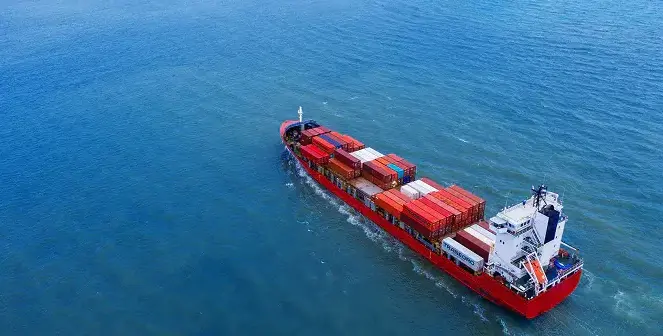
In the port of Antwerp, an autonomous truck is moving containers within the port area, day and night. Port environments are a logical starting point. Routes are predictable, distances are short, and continuous operation delivers clear efficiency gains.
The Netherlands is also active. Several projects are underway, although for now with a driver on board. The Dutch Minister of Infrastructure and Water Management, Vincent Karremans, has indicated that self-driving trucks and buses can be expected on Dutch roads within a few years, by 2029 at the latest.
Taken together, these examples show that autonomous driving is shifting from experiment to practice. Fully autonomous trucks are not yet allowed on public roads in the Netherlands, but the conditions for future use are being created step by step.
How to prepare your business for these changes? Please contact team Trasegro.
Opportunities for the logistics sector
So why does this matter now? Because the potential benefits are substantial. Autonomous trucks can operate around the clock without being restricted by driving and rest time regulations. That opens the door to faster lead times and better use of equipment, especially on fixed, repetitive routes such as shuttles between distribution centres, port terminals and hubs.
Autonomous transport could also help ease the ongoing driver shortage. Rather than replacing drivers entirely, the technology is likely to take over the most repetitive and predictable stretches, while human drivers focus on complex routes, first and last mile delivery, and tasks that require judgement and customer contact.
There are potential safety and sustainability gains as well. Automated systems drive consistently, brake smoothly and can be optimised for fuel or energy efficiency. Combined with electric drivetrains, that makes autonomous trucks an interesting piece of the puzzle in reducing emissions in road freight.
The questions that still need answers
At the same time, several issues remain open. Liability is one of the biggest. Who is responsible when an autonomous truck is involved in an incident: the manufacturer, the software supplier, the transport company or the shipper? Clear legal answers are needed before large-scale deployment can happen.
Then there is the future role of the driver. The profession will not disappear overnight, but it will change. Training, job profiles and labour agreements will need to evolve alongside the technology.
Finally, competitiveness is at stake. Countries and companies that move early could gain an advantage, while others risk falling behind. For the European transport sector, getting the balance right between innovation, safety and fair competition will be essential.
How to reduce the impact of these developments on your business? Please contact team Trasegro.
What this means for your business
Autonomous trucks will not take over European highways tomorrow. But the direction is clear, and the timeline is becoming more concrete. For businesses that rely on road transport, now is a good moment to start thinking ahead. Which of your routes are predictable and repetitive enough to benefit first? How flexible is your supply chain when new transport models become available? And how will changes in regulation affect your cross-border flows?
Being well informed allows you to make the right choices at the right time, without being caught off guard. We follow these developments closely and are happy to think along with you about what they mean for your specific situation.
Trasegro: Anything except standard. Logistics solutions for complex requirements.
With a strong focus on personal service and professionalism, Trasegro supports clients in navigating complex logistics challenges with flexible, reliable solutions.
What sets Trasegro apart is not just what we do but how we do it. We listen, communicate and act in partnership, responding quickly when it matters most. No one-size-fits-all approach but tailored solutions that fit your reality.